
Call Us Today 630-780-1034

- Home
- Team
- Estate Planning
- Comprehensive, Risk-Managed Estate Planning
- The Risks Most Families Never See Coming
- Why Traditional Estate Planning Often Falls Short
- Living Trust and Probate Avoidance
- Wills Vs. Trusts
- Special Needs Trusts
- Trust Funding
- Inheritance and Beneficiary Planning
- Divorce & Creditor Protection for Children
- High Net Worth Estate Planning
- Family Transitions & Wealth Preservation
- Estate Tax Planning
- Protection Planning for Minor Children
- Protecting an Inheritance for a Vulnerable Beneficiary
- Family Protection and Incapacity Planning
- Planning for Long-Term Care and Health Risks
- Retirement and Estate Planning for Seniors
- Planning for Blended & Non-Traditional Families
- Protecting Children's Inheritances
- Blended Family Estate Planning for Seniors
- Estate Planning for Second Marriages
- Estate Planning for Stepchildren
- Protecting Children While Providing for a Spouse
- Estate Planning for Estranged Children
- Estate Planning for Sibling Conflict
- Estate Planning for Families with Complicated Relationships
- Family Wealth Preservation & Estate Tax Planning
- Transfer on Death Instruments
- Protecting Your Legacy: Lawsuit, Creditor, Divorce, and Long-Term Care Protection
- Asset Protection & Professional Planning
- How Gateville Law Firm is Different
- Probate & Estate Administration
- Comprehensive, Risk-Managed Estate Planning
- Trust Administration
- Family Law
- Media
- Testimonials
- Videos
- News
- Estate Planning Resources
- Estate Planning 101: How to Protect Your Family, Home, and Assets in Illinois
- Set it and Forget it: Why Updating Your Estate Plan Is One of the Most Important Things You Can Do
- The Risk of Beneficiary Designations and Payable on Death Accounts in Illinois
- What Happens if I Die Without a Will or Trust in Illinois?
- What Is Probate?
- What Is the Difference Between a Will and a Living Trust in Illinois?
- Events
- Blog
- Contact
Yorkville Wills and Trusts Lawyers
- A will takes effect only after a person's death, while a living trust becomes effective once it is signed and can control property during a person's life, during incapacity, and after their death.
- Property passing under a will usually goes through probate, which creates a public record. Trust administration generally happens privately, without court supervision.
- A will cannot help if someone becomes unable to manage their finances. A trust can name a successor trustee to step in.
- A will can name an executor, leave specific gifts, and divide remaining property. It is also the document parents may use to nominate a guardian for minor children.
- Illinois intestacy laws will decide who inherits property when a person does not have a will. For example, a surviving spouse and children will generally split the estate in half, which may not match a person's wishes.
- A trust can help avoid probate, keep family matters private, release inheritances in stages, provide for a loved one with a disability, simplify ownership of out-of-state property, and protect children in blended families.
- Many estate plans pair a trust with a pour-over will that can address any property left outside the trust.
Attorneys Helping Clients in Yorkville, Illinois Understand How to Use Wills and Trusts
When people begin thinking about estate planning, one of the first questions they may ask is whether they need a will, a trust, or both. Each document can state who will receive property after a person passes away, but they work in very different ways. A will only takes effect after death, and it must usually be reviewed by a court. A trust can begin working as soon as it is created and funded, and it can often manage and distribute property without court involvement. Understanding these differences can help determine the plan that will meet a family's needs.
At Gateville Law Firm, we help clients build estate plans that make sense for their lives. Our attorneys have extensive knowledge of the Illinois Probate Act and the Illinois Trust Code, and we use that experience to explain options in plain language that our clients can understand. We will listen carefully, answer questions honestly, and work toward results that give our clients confidence that their loved ones will be cared for.
Need an Estate Plan?
Call Gateville Law Firm at 630-780-1034 to schedule your consultation and protect your family's future with confidence.
How Wills and Trusts Are Different
Both wills and trusts are valuable estate planning tools, but the timing, privacy, and level of court supervision for each one are different. A will has no legal effect while a person is alive. It becomes effective only after their death, when it is filed with the court. A living trust becomes effective once it is signed, and it can control any property that has been transferred into its name. This means a trust can be used while a person is living, during a period of illness, and after they pass away.
Property that is passed to beneficiaries under a will typically goes through probate. This process is supervised by a court, and time will be needed to take an inventory of the estate, notify creditors, and distribute assets. Probate files are public records, so anyone may be able to see what a person owned and who received their property. Trust administration usually takes place privately, outside of court, under the direction of a trustee. It may allow assets to be distributed more quickly and with fewer complications.
A will cannot address a situation where a person becomes unable to manage their finances because of an illness or injury. A trust can name a successor trustee who will step in and handle trust property on a person's behalf, often without the need for a court-appointed guardian.
What a Will Can Address
A will is an essential document that plays a key role in an estate plan. It allows a person to name an executor who will be responsible for managing their estate. A person can leave specific items or sums of money to particular people or charities, and they can decide how the rest of their property will be divided. Parents of minor children can also use a will to nominate a guardian who will raise their children if both parents pass away. This is one of the most important reasons to create a will, since a trust cannot serve this purpose on its own.
Without a will, Illinois intestacy laws will decide who inherits a person's property. For example, if a person is married and has children, their spouse will generally receive half of their estate, and their children will divide the other half. That result may not match a person's wishes, especially in a blended family.
"Sean and his team were exceptional in assisting my husband and I with our estate planning, something on our "to do's" for quite some time now! They were knowledgeable, professional, and took the time to ensure we felt confident with our decisions. We truly appreciate their responsiveness and care throughout, and highly recommend Gateville for anyone seeking thorough and compassionate legal guidance!"
Benefits a Trust Can Offer Beyond a Will
A trust can provide advantages that a will alone may not be able to deliver, including:
- Avoiding Probate: Property held in a funded trust can usually pass to beneficiaries without opening a probate case, which may save time and avoid court costs.
- Keeping Family Matters Private: The terms of a trust and the values of assets held in a trust generally do not become part of the public court record.
- Controlling the Timing of Inheritances: Rather than giving a young adult an inheritance as a lump sum, a trust can release funds in stages, such as at ages 25, 30, and 35, or it may specify that funds will be used for specific educational or health needs.
- Protecting a Loved One with a Disability: A special needs trust can provide for a family member without disrupting their eligibility for government benefits such as Supplemental Security Income or Medicaid.
- Simplifying Out-of-State Property: A trust can hold a vacation home or land in another state, which may help a family avoid the need to open a second probate case in that state.
- Providing for Blended Families: A trust can provide for a surviving spouse during their lifetime while making sure that remaining property eventually passes to children from a prior relationship.
Using Wills and Trusts Together
Many estate plans include both wills and trusts. Even if trusts will be used to manage and distribute most assets, a will can serve as a backup by directing that any property that was not transferred into the trust during a person's lifetime be added to the trust after their death. This is often called a "pour-over" will. A will is also the proper place to nominate guardians for minor children.
Finding the Right Approach for Your Family
There is no single type of estate plan that will fit every household. A young couple with a modest home and two small children may focus first on wills, guardian nominations, and life insurance beneficiary designations. A retired couple who owns a home in Yorkville, a cabin in Wisconsin, and several investment accounts may gain significant benefits by using a revocable living trust. Our legal team can review your assets, family relationships, and goals, and we can explain the costs and benefits of each option so that you can make informed choices.
Frequently Asked Questions About Wills and Trusts
Creating a trust usually costs more at the outset, because it will involve additional documents and the work of transferring assets. However, avoiding probate may reduce costs and delays for your family later.
Yes. A pour-over will can capture any property left outside the trust, and your will can also be used to nominate guardians for your minor children.
Yes. In Illinois, a person will generally have six months after a will is admitted to probate to file a petition to contest the will. Trusts can also be challenged in some situations. Careful drafting and proper signing procedures can reduce the risks of these types of challenges.
Contact Our Yorkville, IL Wills and Trusts Attorneys
Wills and trusts can both play an important role in protecting your property and your family. For many families, both types of tools can be used to protect assets and make sure a person's wishes will be followed. To discuss which approach is right for you, contact the Yorkville, Illinois will and trust lawyers at Gateville Law Firm by calling 630-780-1034 to schedule a consultation.
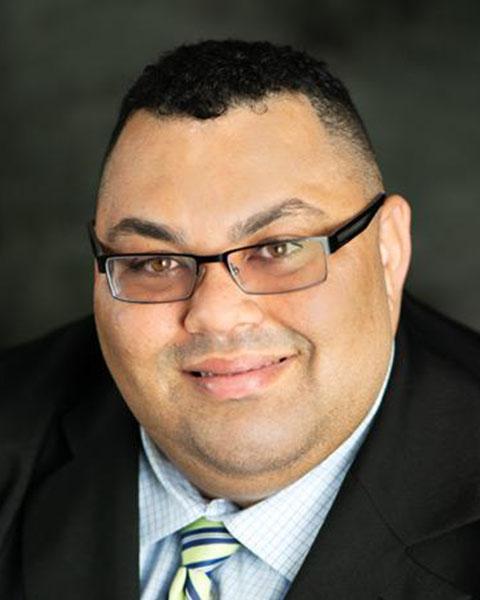
Sean Robertson
Visit Attorney ProfileSean Robertson has more than 21 years of legal experience helping individuals, families, business owners, and investors protect their assets and plan for the future. As the Founding Partner of Gateville Law Firm, he provides guidance in estate planning, tax planning, business planning, and asset protection.
- 21+ years serving estate planning and business planning clients
- Licensed to practice law in Illinois since 2003
- Graduate of DePaul University College of Law
- Founding Partner of Gateville Law Firm
- Estate Planning Faculty Presenter for the National Business Institute
- Recipient of multiple professional recognitions including Best of the Fox and Elite Lawyer
Practice Areas
- Estate Planning
- Comprehensive Estate Planning
- The Risks Most Families Never See Coming
- Why Traditional Estate Planning Often Falls Short
- Living Trust and Probate Avoidance
- Wills Vs. Trusts
- Special Needs Trusts
- Trust Funding
- Inheritance and Beneficiary Planning
- Divorce & Creditor Protection for Children
- High Net Worth Estate Planning
- Family Transitions & Wealth Preservation
- Estate Tax Planning
- Protection Planning for Minor Children
- Protecting an Inheritance for a Vulnerable Beneficiary
- Family Protection and Incapacity Planning
- Planning for Long-Term Care and Health Risks
- Retirement and Estate Planning for Seniors
- Planning for Blended & Non-Traditional Families
- Protecting Children's Inheritances
- Blended Family Estate Planning for Seniors
- Estate Planning for Second Marriages
- Estate Planning for Stepchildren
- Protecting Children While Providing for a Spouse
- Estate Planning for Estranged Children
- Estate Planning for Sibling Conflict
- Estate Planning for Families With Complicated Relationships
- Family Wealth Preservation & Estate Tax Planning
- Transfer on Death Instruments
- Protecting Your Legacy: Lawsuit, Creditor, Divorce, and Long-Term Care Protection
- Asset Protection & Professional Planning
- How Gateville Law Firm is Different
- Probate & Estate Administration
- Comprehensive Estate Planning
- Trust Administration
- Family Law










Gateville Law Firm
provides excellent estate
planning service.

"Sean's team is knowledgeable, responsive, and dedicated to ensuring clients feel confident in their decisions. Sean & Connie take the time to answer questions thoroughly, making complex legal matters easy to understand."


In Service of Your Wealth
If you own assets with a value in excess of $1 million, it is crucial to take steps to ensure that your wealth will be preserved and passed on to future generations. Failure to do so could lead to financial losses due to lawsuits, actions by creditors, or other issues. You will also need to be aware of potential estate taxes that may apply at both the state and federal levels. When working with our attorneys, you can make sure your wealth will be properly preserved.
Our estate planning team can provide guidance on the best asset protection options that are available to you. With our help, you can reduce the value of your taxable estate to ensure that more of your wealth will be preserved for future generations. We can also help you use asset protection trusts or other methods to make sure your property will be safeguarded. Our goal is to provide you with assurance that your family will be prepared for whatever the future may bring.
Blog
How Illinois Medicaid’s Five-Year Look-Back Can Affect Long-Term Care Planning
Posted on October 23, 2026 in Estate Planning
Illinois Estate Tax Planning: Portability, Family Trusts and Protecting Children’s Inheritance
Posted on October 20, 2026 in Estate Tax Planning
Planning Ahead for Long-Term Care Can Help Protect a Family’s Wealth
Posted on October 16, 2026 in Estate Planning
|
Yorkville Office520 E Kendall Drive, Suite C |
Sign Up for
Our Seminar
From our office in Yorkville, we provide services to clients throughout Kendall County, Kane County, DeKalb County, LaSalle County, Grundy County, and the surrounding areas, including Aurora, Big Rock, Boulder Hill, Newark, Ottawa, Joliet, Leland, Morris, LaSalle, Minooka, Montgomery, Plainfield, Plano, Oswego, Sandwich, Somonauk, Sugar Grove, Mendota, Earlville, Serena, Sheridan, Marseilles, Lisbon, and Plattville.
Results listed are not a guarantee or indication of future case results.


520 E Kendall Drive, Suite C
Yorkville, IL 60560
630-780-1034


