
Call Us Today 630-780-1034

- Home
- Team
- Estate Planning
- Comprehensive, Risk-Managed Estate Planning
- The Risks Most Families Never See Coming
- Why Traditional Estate Planning Often Falls Short
- Living Trust and Probate Avoidance
- Special Needs Trusts
- Trust Funding
- Inheritance and Beneficiary Planning
- Divorce & Creditor Protection for Children
- Family Transitions & Wealth Preservation
- Protection Planning for Minor Children
- Protecting an Inheritance for a Vulnerable Beneficiary
- Family Protection and Incapacity Planning
- Planning for Long-Term Care and Health Risks
- Retirement and Estate Planning for Seniors
- Planning for Blended & Non-Traditional Families
- Protecting Children's Inheritances
- Blended Family Estate Planning for Seniors
- Estate Planning for Second Marriages
- Estate Planning for Stepchildren
- Protecting Children While Providing for a Spouse
- Estate Planning for Estranged Children
- Estate Planning for Sibling Conflict
- Estate Planning for Families with Complicated Relationships
- Family Wealth Preservation & Estate Tax Planning
- Protecting Your Legacy: Lawsuit, Creditor, Divorce, and Long-Term Care Protection
- Asset Protection & Professional Planning
- How Gateville Law Firm is Different
- Probate & Estate Administration
- Comprehensive, Risk-Managed Estate Planning
- Trust Administration
- Family Law
- Media
- Testimonials
- Videos
- News
- Estate Planning Resources
- Estate Planning 101: How to Protect Your Family, Home, and Assets in Illinois
- Set it and Forget it: Why Updating Your Estate Plan Is One of the Most Important Things You Can Do
- The Risk of Beneficiary Designations and Payable on Death Accounts in Illinois
- What Happens if I Die Without a Will or Trust in Illinois?
- What Is Probate?
- What Is the Difference Between a Will and a Living Trust in Illinois?
- Events
- Blog
- Contact
Yorkville Special Needs Trusts Attorneys
- A special needs trust can help provide for the needs of a loved one with a disability without jeopardizing their ability to receive government benefits.
- Leaving an inheritance directly to a person with a disability could result in disqualification from Supplemental Security Income and Medicaid, and it may also put a person at risk of financial exploitation or mismanagement.
- Special needs trusts can preserve a person's eligibility for benefits. Third-party special needs trusts may be set up by family members, or first-party special needs trusts may be established when a person owns their own assets.
- Funds in special needs trusts can be used for medical and dental care, mental health therapy, education, transportation, recreation, home modifications, and personal items.
- A family will need to take the right steps when establishing and managing a special needs trust, including putting the right terms in place and choosing an appropriate trustee.
Lawyers Helping Establish Trusts to Provide for the Needs of Loved Ones With Disabilities in Yorkville, IL
Parents, grandparents, or other family members may want to leave an inheritance for a loved one with a disability or provide other forms of assistance. However, doing so without careful planning can create serious unintended consequences. Many people do not realize that when a person receives money or property directly, this could disqualify them from receiving the government benefits they depend on.
At Gateville Law Firm, our attorneys help families in Yorkville, throughout Kendall County, and in other nearby communities establish special needs trusts that will provide financial support for loved ones without putting essential benefits at risk. These trusts can be used to hold assets for the benefit of a disabled person while making sure they will qualify for financial assistance provided through government programs. Understanding how these trusts work, and why they are so important, can help families avoid costly mistakes during the estate planning process.
Need an Estate Plan?
Call Gateville Law Firm at 630-780-1034 to schedule your consultation and protect your family's future with confidence.
The Risks of Leaving an Inheritance Directly to a Person With a Disability
People with disabilities may rely on government benefits programs. Medicaid may provide healthcare coverage, ensuring that they can receive the proper medical care. Supplemental Security Income (SSI), a program provided through Social Security, can provide a person with ongoing income when they are unable to maintain full-time employment. These programs are means-tested, and eligibility will depend on a person having limited income and resources. To qualify for SSI, a person generally cannot own more than a small amount of countable assets, often as little as $2,000.
If a person with a disability receives an inheritance directly through a will or a beneficiary designation, or if they receive a gift such as a large amount of cash or a home, the assets they receive will affect their eligibility for benefits. They could be disqualified from receiving benefits until the assets have been spent down to acceptable levels. For a person who depends on these benefits for housing, medical care, or basic living expenses, losing eligibility can lead to serious hardship.
At the same time, a disabled person who receives an inheritance or is gifted assets may be vulnerable to financial exploitation or mismanagement. If a person may be unable to manage significant assets on their own, they could be at risk of significant financial losses that could affect their overall well-being.
How a Special Needs Trust Can Preserve Eligibility for Government Benefits
A special needs trust, which may also be called a supplemental needs trust, can hold assets on behalf of a person who has a disability or other special needs, preventing those assets from being considered when determining eligibility for SSI or Medicaid. The beneficiary will not have direct control over the assets in a trust, which will ensure that they can continue receiving essential public assistance while also having access to additional financial support. Distributions from the trust will be structured to supplement rather than replace government benefits, providing assistance with issues that go beyond basic necessities.
There are generally two main types of special needs trusts. A third-party special needs trust may be funded with assets belonging to someone other than the person with a disability. For example, a parent or grandparent may establish a supplemental needs trust as part of their estate plan, ensuring that the assets in the trust will be used for approved purposes.
A first-party special needs trust may be funded with assets that belong to the disabled person. For example, a person may receive funds through a personal injury settlement. They can establish a trust to remove these funds from their control, ensuring that they will be able to maintain eligibility for government benefits. A first-party trust may include a requirement that any remaining funds will be used to reimburse Medicaid after the beneficiary's death.
"It was a pleasure to work with Sean and his team! Sean is very knowledgeable and efficient, and really goes the extra mile to make sure things are done right. I recommend him highly and look forward to working together again soon!"
How a Special Needs Trust Can Be Used
A special needs trust can pay for expenses that supplement, rather than replace, the support a person receives through government benefits. Trusts must be structured carefully to avoid interfering with a person's eligibility for benefits. A trustee will generally make payments directly to service providers rather than giving cash to the beneficiary. The assets in trusts may be used for purposes such as:
- Medical treatment or dental care not covered by Medicaid or other insurance
- Mental health therapy, personal care attendants, and other supportive services
- Education, tutoring, and job training programs
- Transportation, including providing a person with a vehicle or making arrangements for other forms of transportation
- Recreation, entertainment, and vacations
- Home modifications and specialized equipment
- Personal items like clothing, electronics, and furniture
The funds in special needs trusts can cover expenses that improve a beneficiary's quality of life beyond what government benefits provide. A family can take steps to enhance a loved one's quality of life without jeopardizing the essential benefits they need.
Establishing and Managing a Special Needs Trust
A special needs trust will need to be carefully drafted to make sure it complies with the specific rules governing government benefit programs. Our attorneys work with families to create trust documents that clearly define how distributions may be made, name an appropriate trustee to manage a trust responsibly, make sure a trust is properly funded, and coordinate a trust with the family's broader estate plan.
Choosing the right trustee is an important part of this process. A trustee must understand the rules governing distributions, and they will need to manage the trust carefully over a period of many years. In some cases, a family may choose a trusted family member to serve as trustee, while others may use a professional trustee.
Frequently Asked Questions About Special Needs Trusts
Will a Special Needs Trust Limit the Benefits a Family Member Can Receive Through Supplemental Security Income or Medicaid?
When properly drafted and administered, a special needs trust allows a person to receive additional financial support without those assets being counted as the person's own resources when determining their eligibility for government benefits. They will be able to receive the full amount of benefits they need along with additional support for specific purposes through a special needs trust.
Generally, no. To protect a person's eligibility for government benefits, a trustee will typically make payments directly to service providers or vendors rather than distributing cash to the beneficiary.
This depends on the type of trust. With a first-party special needs trust, the assets may go toward reimbursing Medicaid for the benefits paid during the beneficiary's lifetime. With a third-party special needs trust, remaining assets may be passed to other family members according to the trust's terms.
An ABLE account can serve some of the same purposes as a special needs trust, but contribution and balance limits may make this type of account less suitable in situations involving larger inheritances or gifts. A special needs trust may be used alongside or instead of an ABLE account depending on the size of the assets involved.
Yes. Special needs trusts can be established for adults with disabilities or for children. They are commonly used as part of estate planning for parents of children with disabilities, ensuring that support can be provided while a child is growing up and after they reach adulthood.
Contact Our Yorkville, Illinois Special Needs Trust Lawyers
With special needs trusts, families can provide financial support to ensure that loved ones with disabilities will be able to maintain a good quality of life. At Gateville Law Firm, we can make sure these trusts will be established and funded correctly and incorporated into a family's overall estate plan. Contact our Yorkville special needs trusts attorneys at 630-780-1034 to take steps to protect a loved one's financial interests.
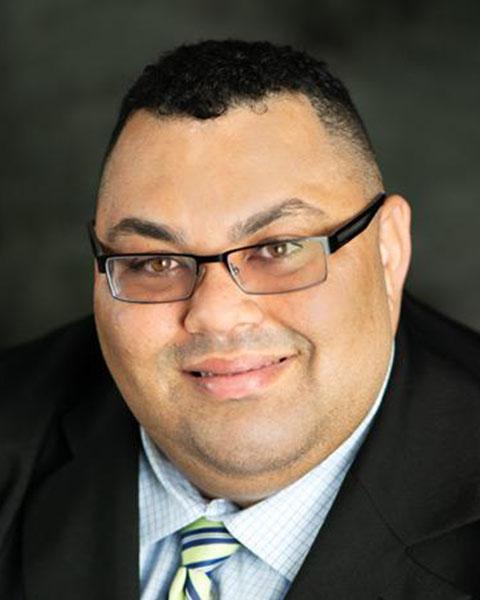
Sean Robertson
Visit Attorney ProfileSean Robertson has more than 21 years of legal experience helping individuals, families, business owners, and investors protect their assets and plan for the future. As the Founding Partner of Gateville Law Firm, he provides guidance in estate planning, tax planning, business planning, and asset protection.
- 21+ years serving estate planning and business planning clients
- Licensed to practice law in Illinois since 2003
- Graduate of DePaul University College of Law
- Founding Partner of Gateville Law Firm
- Estate Planning Faculty Presenter for the National Business Institute
- Recipient of multiple professional recognitions including Best of the Fox and Elite Lawyer
Practice Areas
- Estate Planning
- Comprehensive Estate Planning
- The Risks Most Families Never See Coming
- Why Traditional Estate Planning Often Falls Short
- Living Trust and Probate Avoidance
- Special Needs Trusts
- Trust Funding
- Inheritance and Beneficiary Planning
- Divorce & Creditor Protection for Children
- Family Transitions & Wealth Preservation
- Protection Planning for Minor Children
- Protecting an Inheritance for a Vulnerable Beneficiary
- Family Protection and Incapacity Planning
- Planning for Long-Term Care and Health Risks
- Retirement and Estate Planning for Seniors
- Planning for Blended & Non-Traditional Families
- Protecting Children's Inheritances
- Blended Family Estate Planning for Seniors
- Estate Planning for Second Marriages
- Estate Planning for Stepchildren
- Protecting Children While Providing for a Spouse
- Estate Planning for Estranged Children
- Estate Planning for Sibling Conflict
- Estate Planning for Families With Complicated Relationships
- Family Wealth Preservation & Estate Tax Planning
- Protecting Your Legacy: Lawsuit, Creditor, Divorce, and Long-Term Care Protection
- Asset Protection & Professional Planning
- How Gateville Law Firm is Different
- Probate & Estate Administration
- Comprehensive Estate Planning
- Trust Administration
- Family Law









Gateville Law Firm
provides excellent estate
planning service.

"Sean's team is knowledgeable, responsive, and dedicated to ensuring clients feel confident in their decisions. Sean & Connie take the time to answer questions thoroughly, making complex legal matters easy to understand."


In Service of Your Wealth
If you own assets with a value in excess of $1 million, it is crucial to take steps to ensure that your wealth will be preserved and passed on to future generations. Failure to do so could lead to financial losses due to lawsuits, actions by creditors, or other issues. You will also need to be aware of potential estate taxes that may apply at both the state and federal levels. When working with our attorneys, you can make sure your wealth will be properly preserved.
Our estate planning team can provide guidance on the best asset protection options that are available to you. With our help, you can reduce the value of your taxable estate to ensure that more of your wealth will be preserved for future generations. We can also help you use asset protection trusts or other methods to make sure your property will be safeguarded. Our goal is to provide you with assurance that your family will be prepared for whatever the future may bring.
Blog
You’ve Been Named Successor Trustee. What Happens When It’s Time to Step In?
Posted on October 9, 2026 in Asset Protection & Wealth Preservation
Your Aging Parent Needs More Help. What Legal and Financial Steps Come Next?
Posted on October 2, 2026 in Estate Planning
Essential Estate Planning Before a Health Crisis
Posted on September 23, 2026 in Incapacity Planning
|
Yorkville Office520 E Kendall Drive, Suite C |
Sign Up for
Our Seminar
From our office in Yorkville, we provide services to clients throughout Kendall County, Kane County, DeKalb County, LaSalle County, Grundy County, and the surrounding areas, including Aurora, Big Rock, Boulder Hill, Newark, Ottawa, Joliet, Leland, Morris, LaSalle, Minooka, Montgomery, Plainfield, Plano, Oswego, Sandwich, Somonauk, Sugar Grove, Mendota, Earlville, Serena, Sheridan, Marseilles, Lisbon, and Plattville.
Results listed are not a guarantee or indication of future case results.


520 E Kendall Drive, Suite C
Yorkville, IL 60560
630-780-1034


