
Call Us Today 630-780-1034

- Home
- Team
- Estate Planning
- Comprehensive, Risk-Managed Estate Planning
- The Risks Most Families Never See Coming
- Why Traditional Estate Planning Often Falls Short
- Living Trust and Probate Avoidance
- Special Needs Trusts
- Trust Funding
- Inheritance and Beneficiary Planning
- Divorce & Creditor Protection for Children
- Family Transitions & Wealth Preservation
- Protection Planning for Minor Children
- Protecting an Inheritance for a Vulnerable Beneficiary
- Family Protection and Incapacity Planning
- Planning for Long-Term Care and Health Risks
- Retirement and Estate Planning for Seniors
- Planning for Blended & Non-Traditional Families
- Protecting Children's Inheritances
- Blended Family Estate Planning for Seniors
- Estate Planning for Second Marriages
- Estate Planning for Stepchildren
- Protecting Children While Providing for a Spouse
- Estate Planning for Estranged Children
- Estate Planning for Sibling Conflict
- Estate Planning for Families with Complicated Relationships
- Family Wealth Preservation & Estate Tax Planning
- Protecting Your Legacy: Lawsuit, Creditor, Divorce, and Long-Term Care Protection
- Asset Protection & Professional Planning
- How Gateville Law Firm is Different
- Probate & Estate Administration
- Comprehensive, Risk-Managed Estate Planning
- Trust Administration
- Family Law
- Media
- Testimonials
- Videos
- News
- Estate Planning Resources
- Estate Planning 101: How to Protect Your Family, Home, and Assets in Illinois
- Set it and Forget it: Why Updating Your Estate Plan Is One of the Most Important Things You Can Do
- The Risk of Beneficiary Designations and Payable on Death Accounts in Illinois
- What Happens if I Die Without a Will or Trust in Illinois?
- What Is Probate?
- What Is the Difference Between a Will and a Living Trust in Illinois?
- Events
- Blog
- Contact
Yorkville, Illinois Trust Funding Attorneys
- Signing a trust document is not enough to ensure that an estate plan will work correctly. Trusts will need to be properly funded.
- Unfunded trusts are a common reason why estate plans fail. Assets that are not transferred into trusts will be subject to probate.
- Different types of trusts may be used to hold and distribute assets, including revocable living trusts, irrevocable trusts, testamentary trusts, and land trusts.
- The process of funding a trust includes taking an inventory of assets, recording new deeds, retitling financial accounts, transferring business interests, reviewing beneficiary designations, and documenting personal property transfers.
- Gateville Law Firm can assist with each step of trust funding while helping clients keep their trusts updated as new assets are acquired.
Estate Planning Lawyers Helping Families Fund Trusts Correctly in Yorkville
Multiple types of tools can be used in a comprehensive estate plan, including trusts. However, creating a trust is only the first step. Before a trust can accomplish its intended purpose, it must be funded, meaning that assets must be transferred into the name of the trust. Failing to complete this step is one of the most common reasons an estate plan may not work as intended.
People may mistakenly believe that signing a trust document will automatically place their assets under the trust's control. In reality, a trust is simply a legal container. Until specific assets are formally retitled or transferred into the trust, it will have no authority over them. Those assets may still be subject to probate or distributed outside of the trust. At Gateville Law Firm, our lawyers can help families in Yorkville, Illinois and the surrounding communities complete the trust funding process correctly. With our help, families can make sure trusts will actually hold, control, and distribute the assets they were designed to protect.
Need an Estate Plan?
Call Gateville Law Firm at 630-780-1034 to schedule your consultation and protect your family's future with confidence.
Why Failing to Fund a Trust Is a Common Cause of Estate Plan Failure
A trust that has not been properly funded will provide none of the benefits it was created to provide. If real estate is titled in a person's individual name, that property will not avoid probate simply because a trust exists. If a bank account is never retitled, the funds in the account will not be protected or distributed according to the terms of a trust. This gap between paperwork and actual asset ownership may not be discovered until after a person has passed away, and at this point, it will be too late to correct the problem without going through probate.
This issue tends to arise for a few common reasons. Some people may sign trust documents and assume that someone else will automatically handle the transfer of assets. Others may transfer some assets into a trust at the time it is created, but they may fail to fund new assets that are acquired later, such as a newly purchased property or a new investment account. Trust funding will require action for each individual asset, and certain assets may be overlooked if the proper steps are not taken.
Types of Trusts and the Assets They Can Hold
Different types of trusts may be used for different purposes, and understanding what each trust is designed to hold can help to clarify the funding process. Our attorneys can provide guidance on the best ways to use trusts such as:
- Revocable Living Trusts: These trusts are commonly used to avoid probate while also ensuring that a person can manage their assets and use them for specific purposes. A living trust can hold real estate, bank and investment accounts, business interests, and other types of property, and the person who created the trust may maintain full control and make changes during their lifetime.
- Irrevocable Trusts: Once funded, assets placed into these trusts generally cannot be easily removed. Irrevocable trusts may be used to hold real estate, cash, or life insurance policies for purposes such as long-term care asset protection or reducing estate taxes.
- Testamentary Trusts: Unlike living trusts, these trusts are not funded during a person's lifetime. Instead, a trust will be created through the terms of a will, and it will be funded after a person's death. Their assets will be transferred into the trust through the probate process, and instructions will be provided for how assets will be distributed to beneficiaries.
- Land Trusts: Certain types of trusts may be used to hold the title to real estate property. A land trust can provide privacy benefits, since the trustee, rather than the individual owner, will appear on public property records. A land trust can be coordinated with a person's broader estate plan, ensuring that real estate property and other assets will be managed correctly.
Our firm has extensive experience in real estate law, and we can help clients understand the specific procedures and requirements involved in funding trusts with real estate property. We can coordinate deed preparation, recording requirements, and any related issues, ensuring that assets will be managed and distributed correctly.
"Sean and Connie set up a Trust for my wife and I. We're very happy with the results. They did a great job answering our questions as we knew nothing about it. We are very comfortable with the final results."
Steps Involved in Properly Funding a Trust
While the specific steps that will be followed may depend on the types of assets involved, trust funding will generally involve the following steps:
- Complete a Full Inventory of Assets: The funding process begins with identifying every asset a person owns, including real estate property, financial accounts, business interests, and personal property, ensuring that nothing is overlooked.
- Prepare and Record New Deeds for Real Estate: Real property must be transferred into a trust through a properly prepared deed, which will then be recorded with the appropriate county office to reflect the change in ownership.
- Retitle Financial Accounts: Bank accounts, brokerage accounts, and other financial holdings will need to be retitled in the name of a trust. Our lawyers can work directly with financial institutions to ensure that accounts are retitled correctly.
- Update Ownership of Business Interests: Interests in a business, such as shares in a corporation or membership interests in a limited liability company, may be transferred into a trust. Our attorneys can make sure the proper documents are prepared while advising clients on the best ways to establish business succession plans.
- Review Beneficiary Designations: Retirement accounts and life insurance policies may need to be updated to ensure that they will be distributed to beneficiaries correctly after a person's death. Our lawyers can make sure beneficiary designations are coordinated with trusts and other estate planning documents, and we may take steps to ensure that funds or life insurance benefits will be transferred into trusts and distributed to beneficiaries correctly.
- Address Personal Property: Items such as furniture, artwork, or collectibles may be transferred into a trust through a general assignment document, rather than requiring individual title changes.
- Confirm and Document Each Transfer: Once each asset has been addressed, our attorneys can help clients maintain clear records of what has been transferred, which will confirm that funding is complete and provide documentation for future reference.
Frequently Asked Questions About Trust Funding
A trust is properly funded when specific legal steps are taken to transfer ownership of an asset into the trust. This may involve recording a new deed or retitling a bank account so that assets will be actually held in the name of a trust.
Not necessarily. Assets that are left outside a trust may still pass through probate. A properly drafted will can direct assets into a trust or make arrangements to distribute them to specific beneficiaries. The process of distributing assets to beneficiaries through probate may be slower and more costly than if a trust had been funded correctly from the start.
Not necessarily. Certain assets, such as retirement accounts, may be handled through beneficiary designations rather than direct funding of a trust. Other assets may be left to beneficiaries in a will. Beneficiary designations, trust funding, and the terms of a will should be reviewed to make sure all aspects of an estate plan are properly coordinated.
Any new property you purchase will need to be transferred into a trust through a new deed. Our attorneys can assist with this process, making sure that real estate property or other significant assets will be transferred into trusts correctly.
Contact Our Yorkville, IL Trust Funding Lawyers
A trust can only protect assets that have actually been transferred into it. Proper funding is essential to make sure an estate plan will work in the way it was designed. At Gateville Law Firm, our lawyers can help with every step of the estate planning process, including trust funding. Contact our Yorkville trust funding attorneys at 630-780-1034 to schedule a consultation and make sure your trust is properly funded.
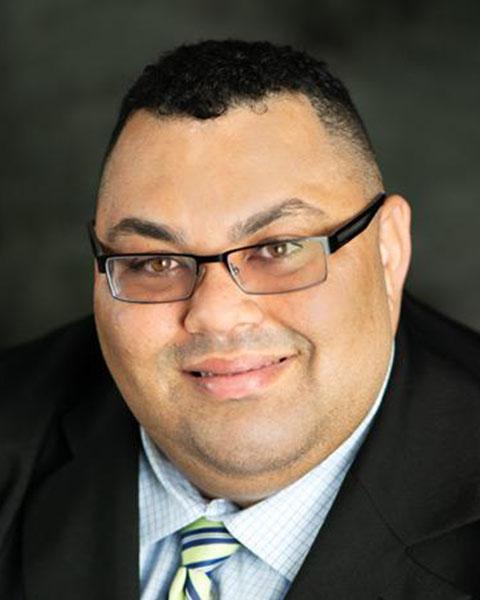
Sean Robertson
Visit Attorney ProfileSean Robertson has more than 21 years of legal experience helping individuals, families, business owners, and investors protect their assets and plan for the future. As the Founding Partner of Gateville Law Firm, he provides guidance in estate planning, tax planning, business planning, and asset protection.
- 21+ years serving estate planning and business planning clients
- Licensed to practice law in Illinois since 2003
- Graduate of DePaul University College of Law
- Founding Partner of Gateville Law Firm
- Estate Planning Faculty Presenter for the National Business Institute
- Recipient of multiple professional recognitions including Best of the Fox and Elite Lawyer
Practice Areas
- Estate Planning
- Comprehensive Estate Planning
- The Risks Most Families Never See Coming
- Why Traditional Estate Planning Often Falls Short
- Living Trust and Probate Avoidance
- Special Needs Trusts
- Trust Funding
- Inheritance and Beneficiary Planning
- Divorce & Creditor Protection for Children
- Family Transitions & Wealth Preservation
- Protection Planning for Minor Children
- Protecting an Inheritance for a Vulnerable Beneficiary
- Family Protection and Incapacity Planning
- Planning for Long-Term Care and Health Risks
- Retirement and Estate Planning for Seniors
- Planning for Blended & Non-Traditional Families
- Protecting Children's Inheritances
- Blended Family Estate Planning for Seniors
- Estate Planning for Second Marriages
- Estate Planning for Stepchildren
- Protecting Children While Providing for a Spouse
- Estate Planning for Estranged Children
- Estate Planning for Sibling Conflict
- Estate Planning for Families With Complicated Relationships
- Family Wealth Preservation & Estate Tax Planning
- Protecting Your Legacy: Lawsuit, Creditor, Divorce, and Long-Term Care Protection
- Asset Protection & Professional Planning
- How Gateville Law Firm is Different
- Probate & Estate Administration
- Comprehensive Estate Planning
- Trust Administration
- Family Law










Gateville Law Firm
provides excellent estate
planning service.

"Sean's team is knowledgeable, responsive, and dedicated to ensuring clients feel confident in their decisions. Sean & Connie take the time to answer questions thoroughly, making complex legal matters easy to understand."


In Service of Your Wealth
If you own assets with a value in excess of $1 million, it is crucial to take steps to ensure that your wealth will be preserved and passed on to future generations. Failure to do so could lead to financial losses due to lawsuits, actions by creditors, or other issues. You will also need to be aware of potential estate taxes that may apply at both the state and federal levels. When working with our attorneys, you can make sure your wealth will be properly preserved.
Our estate planning team can provide guidance on the best asset protection options that are available to you. With our help, you can reduce the value of your taxable estate to ensure that more of your wealth will be preserved for future generations. We can also help you use asset protection trusts or other methods to make sure your property will be safeguarded. Our goal is to provide you with assurance that your family will be prepared for whatever the future may bring.
Blog
You’ve Been Named Successor Trustee. What Happens When It’s Time to Step In?
Posted on October 9, 2026 in Asset Protection & Wealth Preservation
Your Aging Parent Needs More Help. What Legal and Financial Steps Come Next?
Posted on October 2, 2026 in Estate Planning
Essential Estate Planning Before a Health Crisis
Posted on September 23, 2026 in Incapacity Planning
|
Yorkville Office520 E Kendall Drive, Suite C |
Sign Up for
Our Seminar
From our office in Yorkville, we provide services to clients throughout Kendall County, Kane County, DeKalb County, LaSalle County, Grundy County, and the surrounding areas, including Aurora, Big Rock, Boulder Hill, Newark, Ottawa, Joliet, Leland, Morris, LaSalle, Minooka, Montgomery, Plainfield, Plano, Oswego, Sandwich, Somonauk, Sugar Grove, Mendota, Earlville, Serena, Sheridan, Marseilles, Lisbon, and Plattville.
Results listed are not a guarantee or indication of future case results.


520 E Kendall Drive, Suite C
Yorkville, IL 60560
630-780-1034


