
Call Us Today 630-780-1034

- Home
- Team
- Estate Planning
- Comprehensive, Risk-Managed Estate Planning
- The Risks Most Families Never See Coming
- Why Traditional Estate Planning Often Falls Short
- Living Trust and Probate Avoidance
- Special Needs Trusts
- Trust Funding
- Inheritance and Beneficiary Planning
- Divorce & Creditor Protection for Children
- Protection Planning for Minor Children
- Protecting an Inheritance for a Vulnerable Beneficiary
- Family Protection and Incapacity Planning
- Planning for Long-Term Care and Health Risks
- Retirement and Estate Planning for Seniors
- Planning for Blended & Non-Traditional Families
- Protecting Children's Inheritances
- Blended Family Estate Planning for Seniors
- Estate Planning for Second Marriages
- Estate Planning for Stepchildren
- Protecting Children While Providing for a Spouse
- Estate Planning for Estranged Children
- Estate Planning for Sibling Conflict
- Estate Planning for Families with Complicated Relationships
- Family Wealth Preservation & Estate Tax Planning
- Protecting Your Legacy: Lawsuit, Creditor, Divorce, and Long-Term Care Protection
- Asset Protection & Professional Planning
- How Gateville Law Firm is Different
- Probate & Estate Administration
- Comprehensive, Risk-Managed Estate Planning
- Trust Administration
- Media
- Testimonials
- Videos
- News
- Estate Planning Resources
- Estate Planning 101: How to Protect Your Family, Home, and Assets in Illinois
- Set it and Forget it: Why Updating Your Estate Plan Is One of the Most Important Things You Can Do
- The Risk of Beneficiary Designations and Payable on Death Accounts in Illinois
- What Happens if I Die Without a Will or Trust in Illinois?
- What Is Probate?
- What Is the Difference Between a Will and a Living Trust in Illinois?
- Events
- Blog
- Contact
Yorkville, IL Estate Planning Attorneys for Seniors With Blended Families
- People in blended families may face unique estate planning challenges, and seniors may need to address issues that will affect different family members.
- Common issues that can affect blended families include spouses and children with competing interests and inheritances for stepchildren or grandchildren.
- A person can take steps to provide for each family member, including providing for their spouse through marital or QTIP trusts, and making sure children from previous relationships, stepchildren, grandchildren, or other extended family members can inherit assets.
- Multiple types of tools may be used to reduce taxes, avoid disputes, and distribute assets efficiently, including revocable living trusts, irrevocable trusts, and beneficiary designations.
- Clear documentation and communication help minimize family disputes and prevent litigation after a senior passes away.
Estate Planning Lawyers Helping Seniors Address Stepchildren, Second Marriages, and Other Blended Family Issues in Yorkville
Blended families may involve multiple types of complex relationships. A person may have a current spouse and one or more former spouses, and they may need to provide for their biological children, adoptive children, and stepchildren. As seniors address issues related to estate planning, they may not only need to make sure their spouse and children in their blended family will be provided for, but they may also want to leave inheritances for grandchildren or other extended family members.
These issues can lead to complex challenges, and without taking the time to create a comprehensive estate plan, a senior's assets may not be used as intended or disputes among family members can arise. At Gateville Law Firm, we work with seniors to create estate plans that are based on the complete picture of their blended families. Our goal is to help our clients make sure all of their loved ones will be provided for according to their wishes.
Need an Estate Plan?
Call Gateville Law Firm at 630-780-1034 to schedule your consultation and protect your family's future with confidence.
Common Issues Blended Families May Face During Estate Planning
In a blended family, a person's current spouse and children from previous relationships may have competing interests. Family members may have different ideas about how a home or other assets should be handled. Stepchildren may not have any automatic inheritance rights after a stepparent's death. Grandchildren from the family of a deceased may be unintentionally left out of an estate plan. Without clear planning, a well-meaning attempt to treat everyone equally can still result in family members feeling overlooked or excluded.
Providing for a Spouse, Children, Stepchildren, and Grandchildren
Our attorneys help seniors in blended families identify all of the loved ones they wish to provide for, and we advise them on the estate planning tools that can be used to carry out their wishes.
Providing for a Current Spouse
A senior in a blended family will often want to make sure their spouse is financially secure. At the same time, they may want to preserve assets for their own children rather than allowing everything to eventually pass to a spouse's family after the spouse's death. Marital trusts or QTIP trusts can accomplish these goals by providing income to a surviving spouse or ensuring that they can use a home or other property during their lifetime. Arrangements may be made to ensure that remaining assets will go to children once the spouse has passed away.
Providing for Children From Previous Relationships
After a second marriage, a senior may want to make sure their children from their first marriage or who were born outside of marriage will be able to receive inheritances. Trusts can be created that will name those children as beneficiaries, ensuring that assets will be distributed correctly rather than relying on a spouse to pass assets along to children voluntarily.
Providing for Stepchildren
Stepchildren may not have the right to inherit assets from stepparents unless they have been legally adopted. Seniors who wish to include stepchildren as beneficiaries will need to ensure that these children are named as beneficiaries in a will, trust, or beneficiary designations.
Providing for Grandchildren and Extended Family Members
Seniors may want to provide for grandchildren in their estate plan, including by providing assistance with education or other specific goals. Trusts can be structured to distribute assets to grandchildren directly, or they may be used to hold funds for a grandchild's benefit until they reach a certain age or milestone.
"The Gateville Law Firm team spent many hours with my wife and me to develop a custom package that will accomplish our goals. They did not rush through it and got the information correct. I will recommend them to my family."
Tools to Help Reduce Taxes, Avoid Disputes, and Distribute Assets Efficiently
Several estate planning tools can help seniors in blended families accomplish their goals. These tools may include:
- Revocable Living Trusts: By holding assets in trusts, a senior can ensure that they will bypass probate when being distributed to family members. This can provide a faster and more private distribution to various beneficiaries.
- Marital or QTIP Trusts: As discussed above, these trusts can be used to balance the interests of a person's spouse and children, ensuring that assets will be used to provide for the needs of different family members.
- Irrevocable Trusts: Certain types of trusts can help to reduce potential estate taxes and protect assets from creditors. This can make sure assets will be preserved and passed on to the intended beneficiaries.
- Beneficiary Designations: Reviewing and updating the beneficiary designations on retirement accounts, life insurance policies, and other assets can help ensure that these assets will pass to the intended people.
- Detailed Letters of Instruction: A letter explaining a senior's reasoning behind certain decisions can help ensure that everyone understands who will receive which assets. These messages may help to avoid misunderstandings, prevent disputes among family members, and make sure loved ones understand why a person left certain instructions.
Clear documentation of a senior's intentions, when paired with estate planning tools, can help reduce disputes among members of a blended family. When family members understand that a person's plan was carefully considered, they will be more likely to abide by their wishes.
Frequently Asked Questions About Blended Family Estate Planning for Seniors
If a person did not create a will or other estate planning documents, their stepchildren may not receive any inheritances. Stepchildren must be specifically named in a will or trust, and a senior can take steps to ensure that all of their loved ones will receive the proper inheritances.
Certain types of trusts can be used to provide income to your spouse or ensure that they can use property like your home during their lifetime. These trusts can also preserve assets and ensure that they will be passed on to your children after your spouse's death.
Yes. When you create an estate plan, you can make decisions about how assets will be distributed among different beneficiaries. By providing clear documentation of the reasoning behind your decisions, you can help to reduce potential disputes.
Outdated beneficiary designations may cause assets to pass to your former spouse or another unintended beneficiary rather than your current spouse, children, or stepchildren. Reviewing your beneficiary designations regularly can help to prevent this outcome and make sure your wishes will be followed.
Trusts can be structured to provide for grandchildren. You may make arrangements to distribute assets directly to grandchildren, or assets may be held for their benefit until they reach a specified age, used to pay for college or other expenses, or be distributed based on other instructions. You can also include terms in your will to distribute certain assets to grandchildren.
Contact Our Yorkville, Illinois Blended Family Estate Planning Lawyers for Seniors
At Gateville Law Firm, our lawyers can provide guidance on how to address the estate planning issues that may affect blended families. We can work with seniors to provide for spouses, children, stepchildren, grandchildren, or other loved ones while also protecting assets from losses and ensuring that other related concerns will be addressed correctly. Contact our Yorkville blended family estate planning attorneys at 630-780-1034 to get help creating a comprehensive estate plan that will protect the people you care about most.
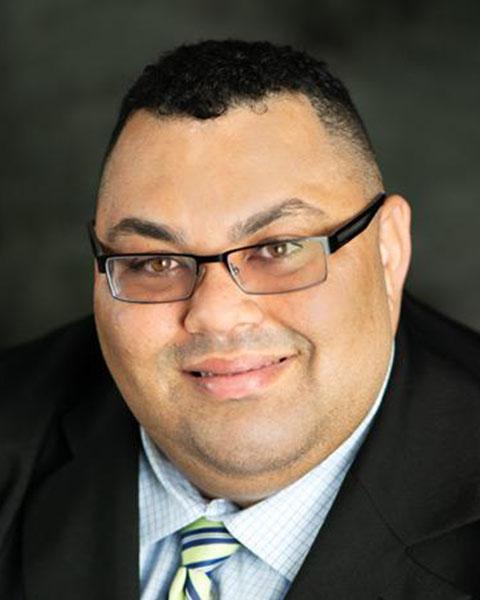
Sean Robertson
Visit Attorney ProfileSean Robertson has more than 21 years of legal experience helping individuals, families, business owners, and investors protect their assets and plan for the future. As the Founding Partner of Gateville Law Firm, he provides guidance in estate planning, tax planning, business planning, and asset protection.
- 21+ years serving estate planning and business planning clients
- Licensed to practice law in Illinois since 2003
- Graduate of DePaul University College of Law
- Founding Partner of Gateville Law Firm
- Estate Planning Faculty Presenter for the National Business Institute
- Recipient of multiple professional recognitions including Best of the Fox and Elite Lawyer
Practice Areas
- Estate Planning
- Comprehensive Estate Planning
- The Risks Most Families Never See Coming
- Why Traditional Estate Planning Often Falls Short
- Living Trust and Probate Avoidance
- Special Needs Trusts
- Trust Funding
- Inheritance and Beneficiary Planning
- Divorce & Creditor Protection for Children
- Protection Planning for Minor Children
- Protecting an Inheritance for a Vulnerable Beneficiary
- Family Protection and Incapacity Planning
- Planning for Long-Term Care and Health Risks
- Retirement and Estate Planning for Seniors
- Planning for Blended & Non-Traditional Families
- Protecting Children's Inheritances
- Blended Family Estate Planning for Seniors
- Estate Planning for Second Marriages
- Estate Planning for Stepchildren
- Protecting Children While Providing for a Spouse
- Estate Planning for Estranged Children
- Estate Planning for Sibling Conflict
- Estate Planning for Families With Complicated Relationships
- Family Wealth Preservation & Estate Tax Planning
- Protecting Your Legacy: Lawsuit, Creditor, Divorce, and Long-Term Care Protection
- Asset Protection & Professional Planning
- How Gateville Law Firm is Different
- Probate & Estate Administration
- Comprehensive Estate Planning
- Trust Administration









Gateville Law Firm
provides excellent estate
planning service.

"Sean's team is knowledgeable, responsive, and dedicated to ensuring clients feel confident in their decisions. Sean & Connie take the time to answer questions thoroughly, making complex legal matters easy to understand."


In Service of Your Wealth
If you own assets with a value in excess of $1 million, it is crucial to take steps to ensure that your wealth will be preserved and passed on to future generations. Failure to do so could lead to financial losses due to lawsuits, actions by creditors, or other issues. You will also need to be aware of potential estate taxes that may apply at both the state and federal levels. When working with our attorneys, you can make sure your wealth will be properly preserved.
Our estate planning team can provide guidance on the best asset protection options that are available to you. With our help, you can reduce the value of your taxable estate to ensure that more of your wealth will be preserved for future generations. We can also help you use asset protection trusts or other methods to make sure your property will be safeguarded. Our goal is to provide you with assurance that your family will be prepared for whatever the future may bring.
Blog
Wyoming LLCs vs. Series LLCs
Posted on September 15, 2026 in Asset Protection & Wealth Preservation
Revocable vs. Irrevocable Trusts for Asset Protection
Posted on September 9, 2026 in Asset Protection & Wealth Preservation
Common Medicaid-Planning Mistakes Families Make
Posted on September 3, 2026 in Incapacity Planning
|
Yorkville Office520 E Kendall Drive, Suite C |
Sign Up for
Our Seminar
From our office in Yorkville, we provide services to clients throughout Kendall County, Kane County, DeKalb County, LaSalle County, Grundy County, and the surrounding areas, including Aurora, Big Rock, Boulder Hill, Newark, Ottawa, Joliet, Leland, Morris, LaSalle, Minooka, Montgomery, Plainfield, Plano, Oswego, Sandwich, Somonauk, Sugar Grove, Mendota, Earlville, Serena, Sheridan, Marseilles, Lisbon, and Plattville.
Results listed are not a guarantee or indication of future case results.


520 E Kendall Drive, Suite C
Yorkville, IL 60560
630-780-1034


